The Pizzeria Concept
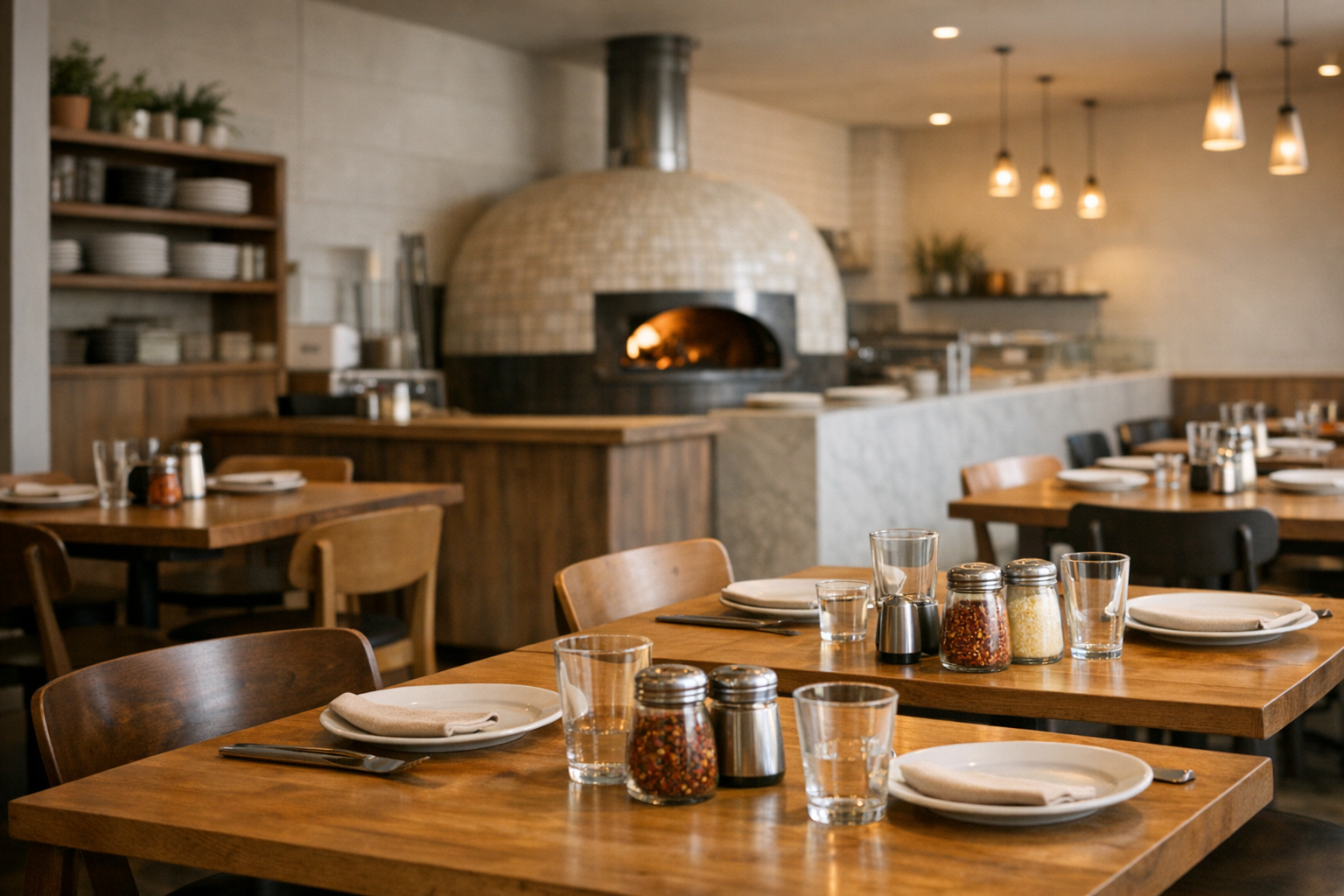
The pizzeria represents one of the most distinctive and enduring dining formats in American culinary culture. Unlike general Italian restaurants that offer diverse menus spanning pasta, seafood, and meat dishes, pizzerias maintain a focused specialization that centers on pizza preparation and service. This specialization creates a unique dining environment characterized by casual atmosphere, visible kitchen operations, and a community-oriented approach to food service.
The Casual Dining Model
Pizzerias typically operate within the casual dining segment of the restaurant industry, positioning themselves between fast-food establishments and full-service restaurants. This positioning allows pizzerias to offer a balance of convenience and quality that appeals to a broad range of customers. The casual model manifests in several key operational characteristics:
- Self-service or limited table service, where customers often order at a counter and receive table numbers or pick up orders at designated areas
- Flexible seating arrangements that accommodate groups of various sizes, from individuals to large parties
- Minimal table settings and informal tableware that reflect the relaxed dining atmosphere
- Open kitchen designs that allow customers to observe food preparation, creating transparency and engagement
- Efficient service models that prioritize quick turnaround without sacrificing food quality
The casual nature of pizzeria dining removes many of the formalities associated with fine dining establishments. Customers typically do not require reservations, dress codes are minimal or nonexistent, and the overall atmosphere encourages lingering and socializing. This accessibility makes pizzerias popular destinations for families with children, groups of friends, and individuals seeking comfortable, unpretentious dining environments.
Preparation Traditions
The preparation methods employed in pizzerias reflect both historical traditions and regional variations that have developed over decades of American pizza culture. While specific techniques vary between establishments and regions, certain fundamental preparation traditions characterize the pizzeria format:
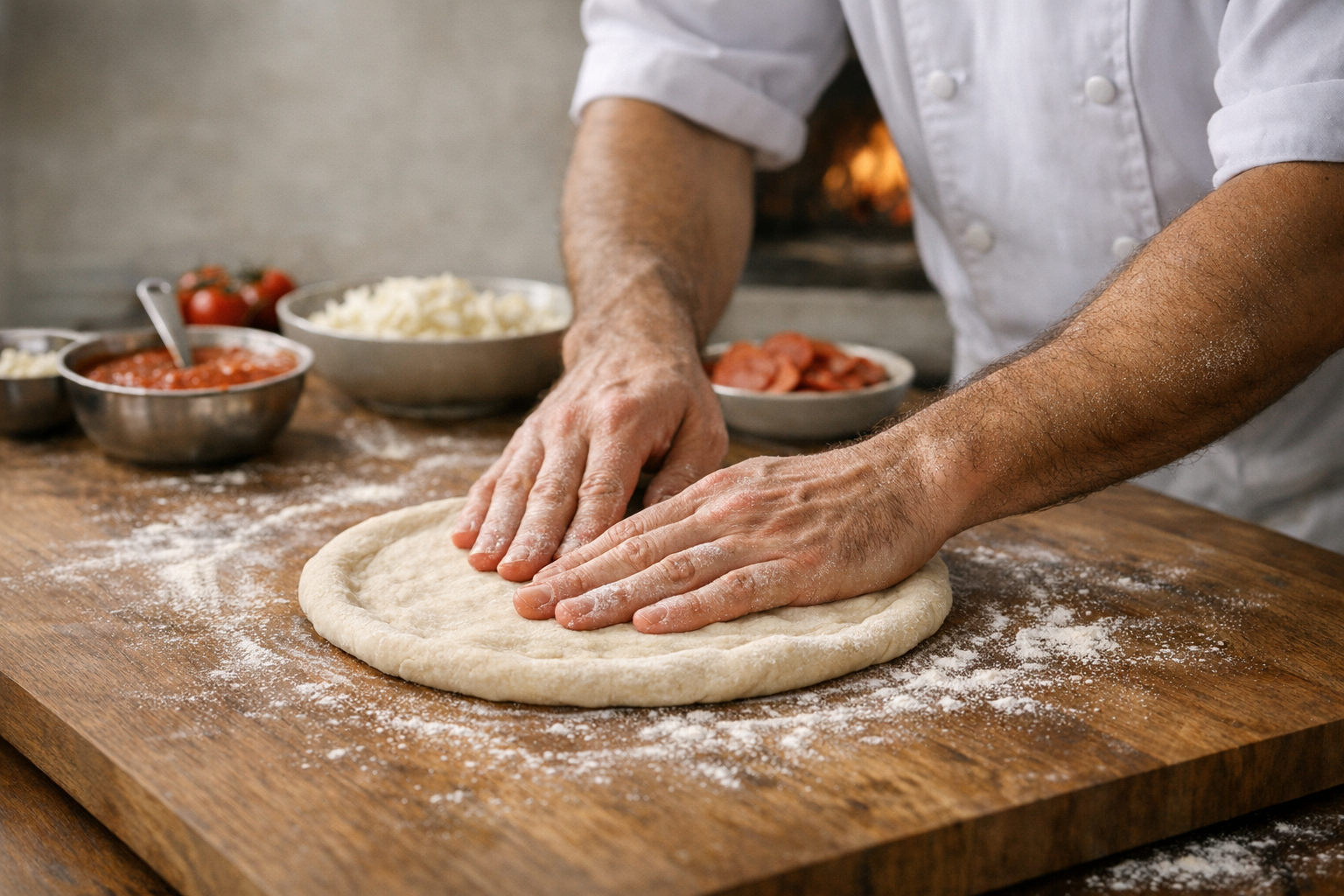
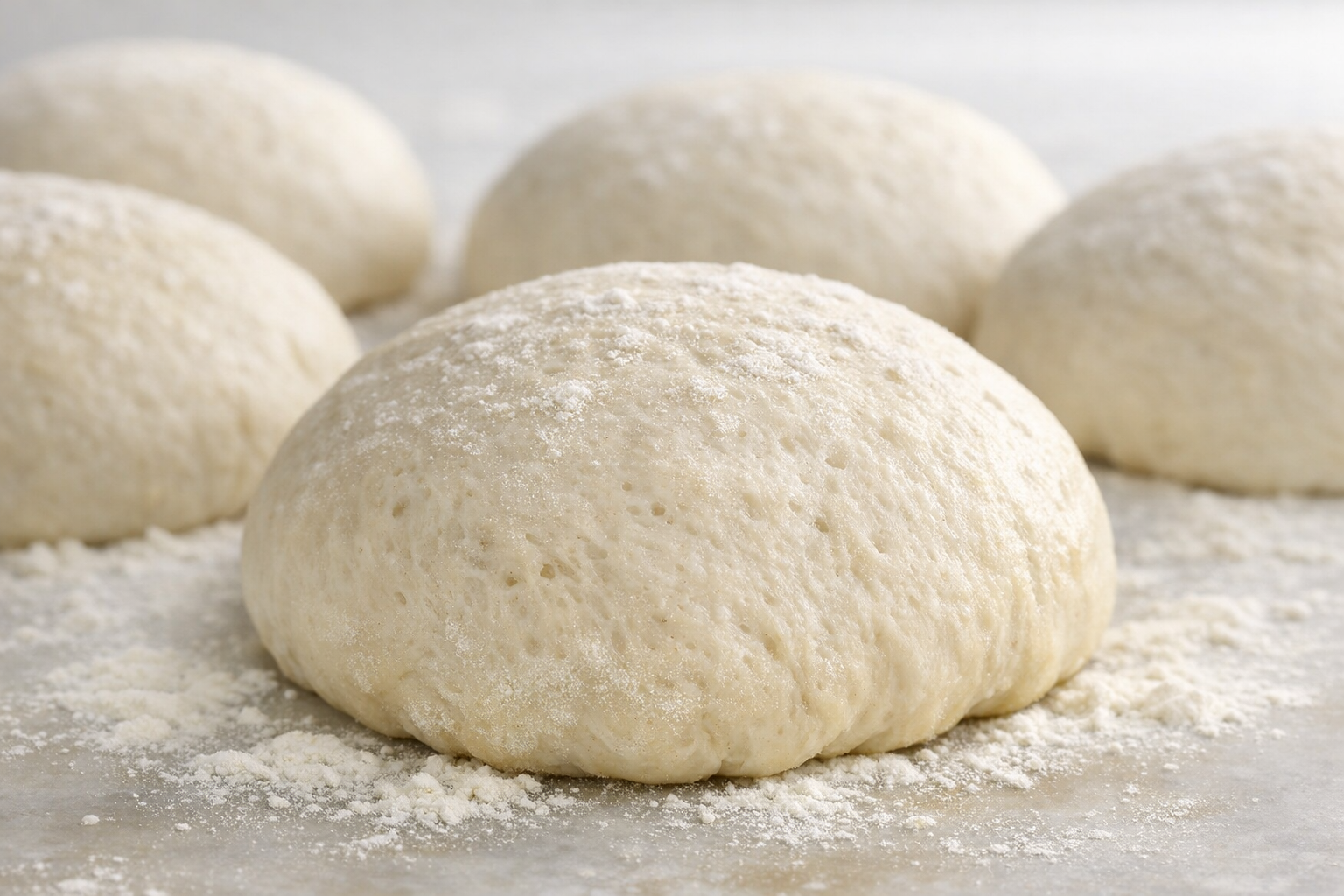
Dough preparation represents the foundation of pizzeria operations. Most pizzerias prepare dough daily, often beginning the process hours or even days before service to allow for proper fermentation. This fermentation period develops flavor and texture, distinguishing pizzeria dough from the quick-rise doughs used in some home preparations. The dough-making process typically involves mixing flour, water, yeast, and salt, followed by kneading to develop gluten structure and resting periods that allow the dough to rise and develop complexity.
Sauce preparation in pizzerias often involves simmering tomatoes with various herbs and spices to create concentrated, flavorful bases. While some establishments use pre-made sauces, many pizzerias maintain their own sauce recipes, considering this element crucial to their distinctive character. The sauce application process—typically spooned or spread in a circular pattern—requires skill to achieve even coverage without saturating the dough.
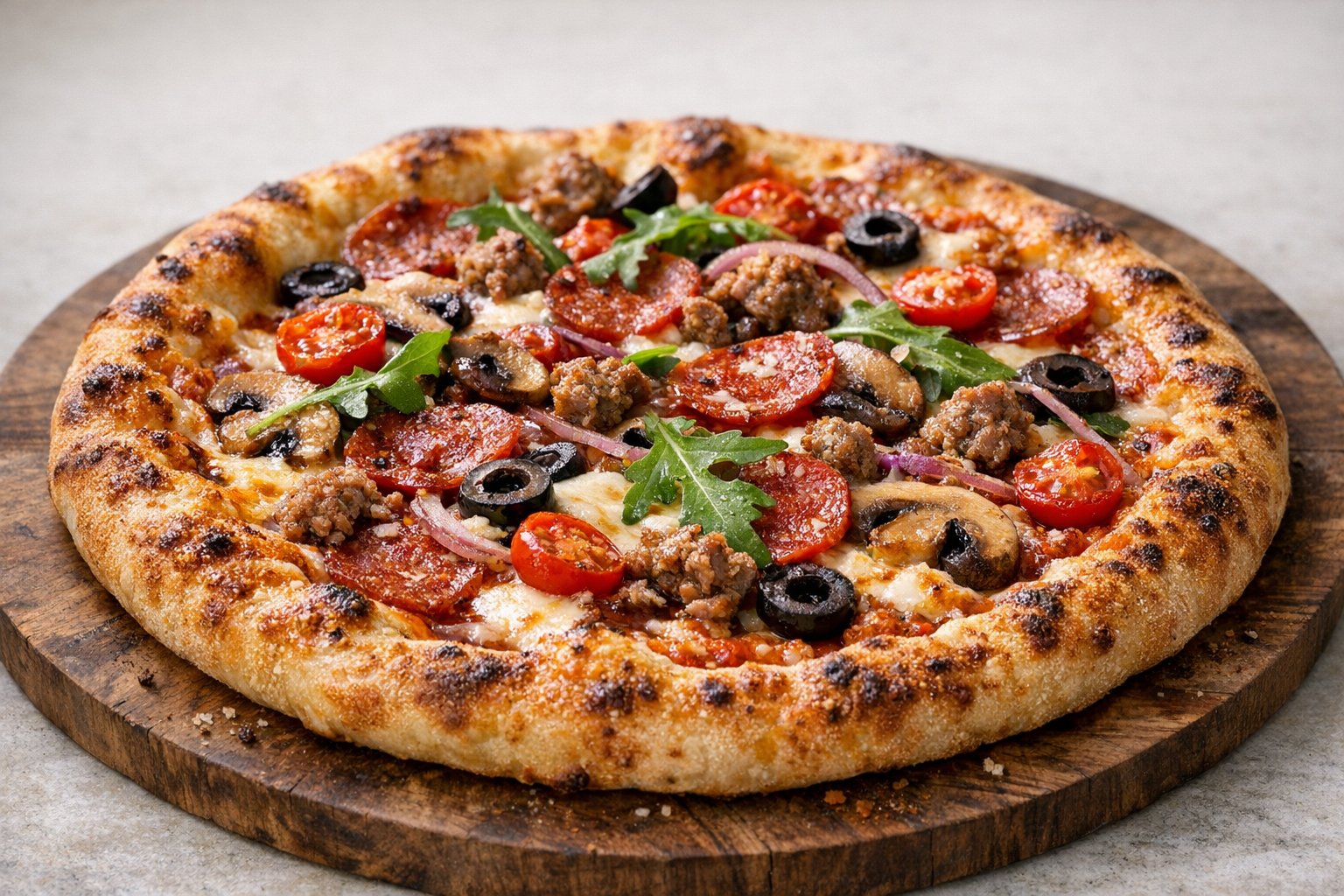
Cheese selection and application represent another critical preparation tradition. Mozzarella, particularly low-moisture varieties that melt consistently without excessive oil separation, serves as the standard cheese for most American pizzerias. The cheese must be grated or shredded to appropriate sizes and distributed evenly to ensure consistent melting and flavor distribution. Additional toppings are applied according to established patterns that balance flavor distribution and visual appeal.
Customer Experience
The customer experience in pizzerias differs significantly from that of other restaurant types, shaped by the format's unique characteristics and the expectations it establishes. Several elements define the typical pizzeria customer experience:
The ordering process in pizzerias often occurs at a counter rather than at tables, creating a more direct interaction between customers and staff. This approach allows customers to see menu options displayed prominently, ask questions about ingredients and preparations, and customize their orders with relative ease. The counter-based ordering system also facilitates efficient service, as staff can process multiple orders simultaneously while kitchen operations continue uninterrupted.
The waiting experience in pizzerias varies according to the establishment's service model. In sit-down pizzerias, customers typically receive beverages shortly after ordering and may receive appetizers while waiting for their pizzas. The aroma of baking pizza and the visible kitchen operations provide sensory engagement during this waiting period. In takeout-focused establishments, waiting areas are designed for comfort but efficiency, with customers often able to observe their pizzas being prepared through windows or open kitchen designs.
The dining experience in pizzerias emphasizes sharing and community. Pizza's format as a dish meant for multiple portions encourages communal dining, where groups share large pizzas and sample various toppings. This sharing dynamic creates a social atmosphere that distinguishes pizzerias from restaurants where individual plates are the norm. The informal setting further encourages conversation and interaction, making pizzerias popular venues for social gatherings and family meals.
Service in pizzerias typically focuses on efficiency and friendliness rather than the formal table service found in upscale restaurants. Staff members often perform multiple roles, taking orders, serving food, and clearing tables as needed. This multifunctional approach creates a more casual relationship between staff and customers, contributing to the relaxed atmosphere that characterizes the pizzeria experience.
Community Role
Beyond their function as food service establishments, pizzerias often serve important community roles. Their accessibility, affordability, and informal atmosphere make them natural gathering places for neighborhoods and social groups. Many pizzerias become fixtures in their communities, hosting regular customers who visit frequently and developing relationships that extend beyond typical restaurant-customer interactions.
The pizzeria's role as a community space reflects broader patterns in American dining culture, where restaurants serve as "third places"—environments distinct from home and work where people gather for social interaction. Pizzerias, with their emphasis on casual dining and shared food, particularly embody this third-place function, providing spaces where community members can connect over a universally appealing food format.
This community orientation, combined with the pizzeria's operational characteristics and preparation traditions, creates a dining format that occupies a unique position in American culinary culture. The pizzeria concept balances efficiency with quality, informality with skill, and individual service with communal experience, making it a distinctive and enduring element of the American restaurant landscape.